















A flexible budget performance report compares actual performance data with budgeted figures that have been adjusted (flexed) for the actual level of output or activity. Flexible budget variance is also possible but occurs when there’s a difference between the budgeted and actual expenses rather than actual sales volume. Flex budgets require you to monitor your spending and revenue throughout the year because they fluctuate based on these factors, providing more accuracy when compared to actual results. A static budget is a budget set for a certain period of time and stays the same over that period, regardless of business performance or activity levels. A flexible budget is one that changes based on customer activity, business performance, and other factors. A static budget variance occurs when actual budgeted expenses are higher or lower than expected.
Budgeting & Forecasting

If you’re still going through the planning motions to come up with a static budget that doesn’t offer value to the company, it’s https://www.paoloferrigato.com/understanding-retainer-fees-what-they-are-and-how/ time to rethink your process and build more flexible plans. It makes it easier to identify where adjustments are needed, such as reducing expenditure in a given category. Apart from mixing both static and flexible budgets, some companies tend to favor zero-based budgeting to be more in control of their financials. For example, revenue projections are calculated by multiplying the assumed sales volume by the expected selling price per unit. Variable costs, like direct materials and direct labor, are estimated based on assumed production volume. Fixed costs, such as rent or depreciation, are included at their expected total amounts.
Estimate Cost of Revenue and Operating Expenses
So, engage early and often with department heads and operational managers. Pick their brains on cost drivers, areas prone to variance, and any other Oil And Gas Accounting intel that can refine your assumptions. Once the reporting period is over, pull together all the real-world data on revenues, expenses, and that key activity driver you’ve been tracking, like units produced. This is the factual evidence you’ll compare to those hypothetical budgets. Then, set a realistic range of expected activity levels to provide a flexible framework for your budget. However, even if you’re using a fixed budget, you should monitor your financial performance throughout the year to help you make real-time decisions that can affect the health of your business.

Variance analysis
- A flexible budget performance report is used to compare actual results for a period to the budgeted results generated by a flexible budget.
- That would mean the budget would fluctuate along with the company’s performance and real costs.
- Creating a static budget (or any kind of financial plan) requires a foundation of reliable historical data.
- A budget performance report is important because it provides critical insights into how effectively and efficiently resources are being used.
- Static budgets are often used by non-profit, educational, and government organizations since they have been granted a specific amount of money to be allocated for a period.
- Although with the flexible budget, costs would rise as sales commissions increased, so too would revenue from the additional sales generated.
This makes it easier to spot anomalies in the report, which should be rare. Management can then focus on the significant variances to see if any actions should be taken to ensure that actual results remain close to expectations. Explore the essentials of static budgets, their components, and their role in financial performance evaluation and variance analysis. This budget uses numbers from the previous year as a starting point and builds off of them based on findings, variances, and new goals. As we mentioned previously, a static budget remains unchanged throughout its entire lifecycle regardless of external factors, such as company performance.
- For instance, you can use a fixed budget for your ROI marketing efforts to determine how much you’ve spent on marketing versus how much you’ve earned in revenue by attracting new customers.
- Base your revenue assumptions on a combination of prior years and expected sales growth for the quarter.
- SaaS companies that are able to respond quickly to changes in customer behavior and market demand are companies that turn obstacles into immense opportunities.
- Flex budgets require you to monitor your spending and revenue throughout the year because they fluctuate based on these factors, providing more accuracy when compared to actual results.
- The flexible budget performance report offers several benefits that make it a valuable tool for businesses seeking to manage their operations and finances more effectively.
- The difference between actual costs incurred and the flexible budget amount for that same level of operations is the budget variance.
Flexible budget performance report
Static budgets offer some functionality, especially in the early seed stages. A static budget may be in order — and may be used as a guideline for flexible budgeting. It’s also suitable in the early stages when you don’t have historical data to rely on for budget forecasting (or simply don’t have the team to support the task). Finance teams can easily identify strengths and weaknesses across the company by reviewing a static budget. The framework makes it easy to evaluate the performance of different business initiatives and departments.
Use budgeting tools to streamline the process and improve accuracy
Most organizations build them with spreadsheets or Excel, listing line items for revenues and expenses that won’t change once approved. The static budget is intended to be constant across time, independent of changes that may affect results.. Some managers use a static budget to forecast the company’s metrics, while others use it as a target for expenses, costs, and income. But the marketing department also decides not to push a campaign, which saves their team $2,500.
The compilation of these forecasted revenues and expenses a static budget report results in a comprehensive financial plan. This plan outlines expected financial performance based on the single, predetermined level of activity. The primary purpose of this fixed approach is to provide a consistent benchmark for measuring actual performance. It offers a clear, unchanging target, allowing management to assess how well operations performed relative to the initial plan, irrespective of volume fluctuations. This contrasts with other budget types that adjust based on activity levels.
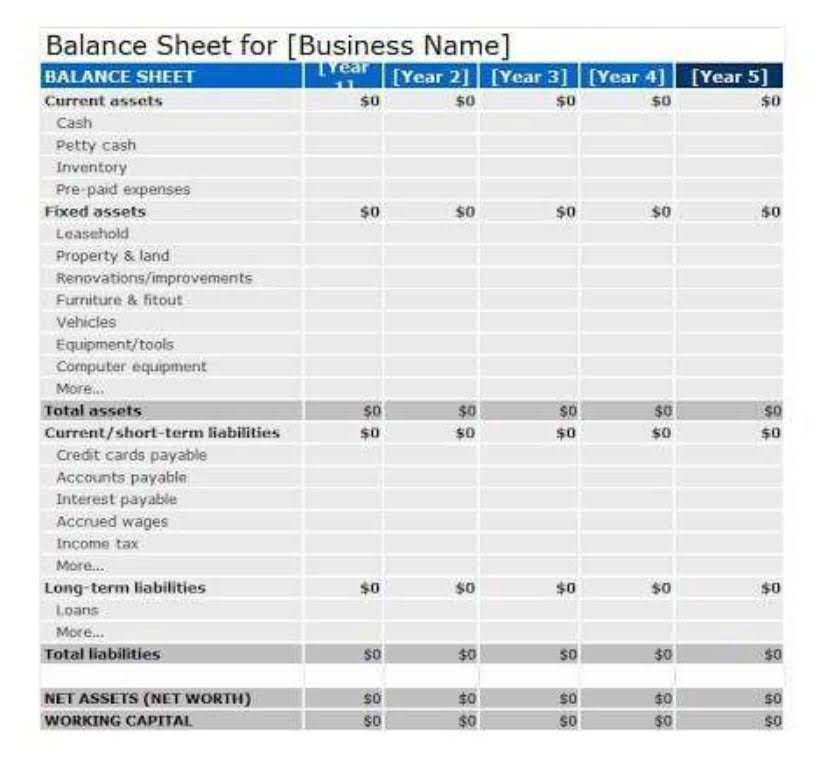
Static budgets are too strict and can cause a seasonal budget to spend more money than the company actually grosses during slow periods. Flexible budgets are inherently more complicated than static budgets because they require more financial oversight and frequent monitoring. Since your budget will change depending on various conditions and factors, it’s crucial to monitor your revenue and expenses regularly throughout your various projects. Flexible budgets are more accurate than static budgets because it’s almost impossible to predict all of your costs. For example, every business has some fixed costs like rent, but there are several variable costs and new costs that seem to pop up every day.